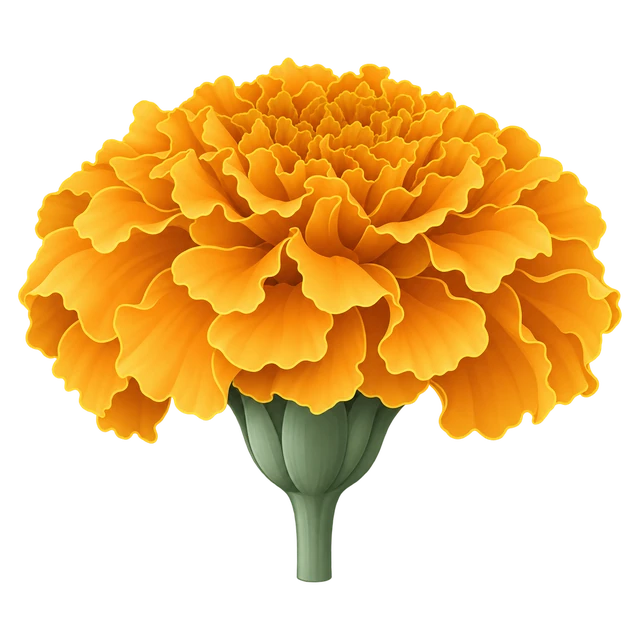
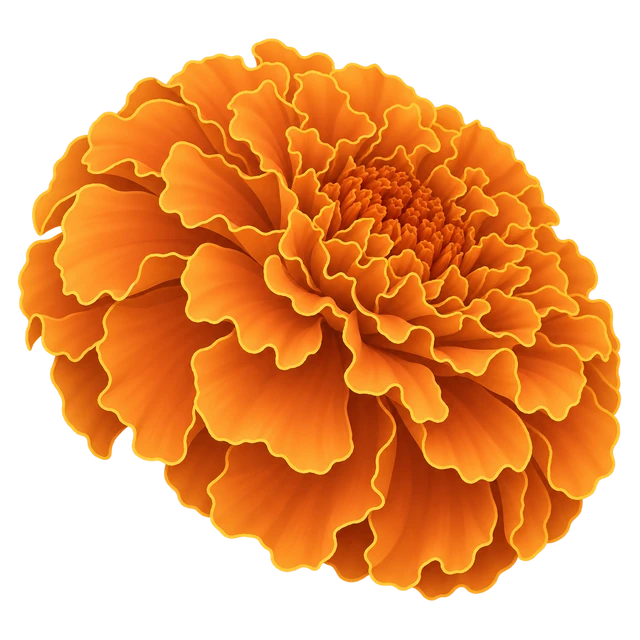
What it is
Día de los Muertos
From late October to 2 November
For a few days, families welcome back the loved ones they have lost. They set up an ofrenda with the things they loved most, and mark the way home.
It joins Indigenous rites with Catholic feasts, it has been on UNESCO’s list of the intangible heritage of humanity since 2008, and every family keeps it differently.
The ofrenda
Card by card
Everything on the ofrenda is there for a reason. Call the cards and fill the board.
The cards
Deck ready
Draw the first one, or tap any card on the board.
What goes on an ofrenda changes from home to home. These are things many share.
In their own way
It is not the same everywhere
Four ways to keep it, out of many. Light a candle at each.
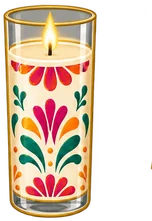
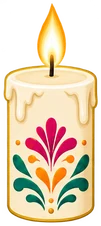
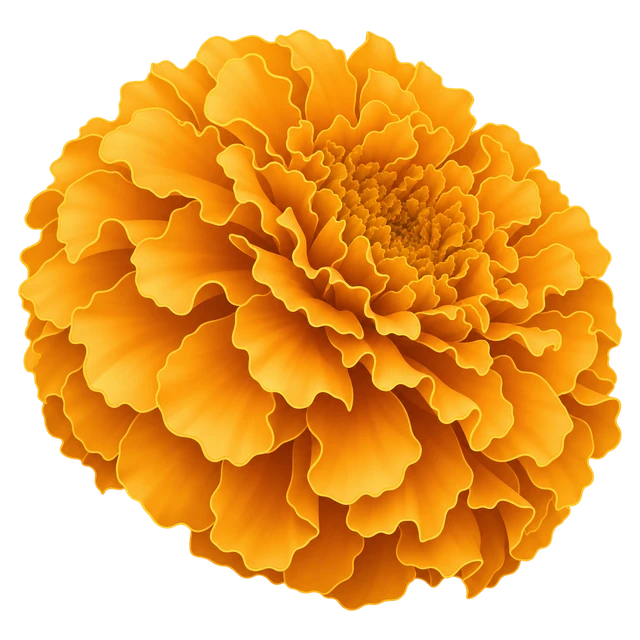
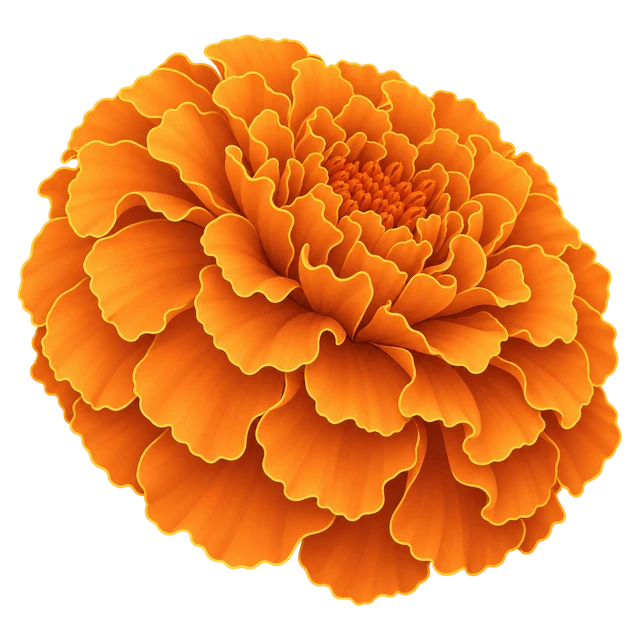
Candles and marigolds, as in Mixquic
Hidalgo and Veracruz
The Huasteca
Xantolo
In some communities the feast begins in June, when the marigolds are sown.
In late October the ofrenda goes up, under an arch of flowers.
Mexico City
Mixquic
La Alumbrada
On the night of 2 November the cemetery fills with light.
Thousands of candles burn on graves dressed with flowers.
Indigenous communities
The cemetery
Flowers for every grave
In some, families celebrate in the cemetery itself.
That day, the family dresses the graves with flowers themselves.
In many homes
The children
The little angels
For the children, families set out white flowers and candles, sweets, toys and food without chile, all in small sizes.
In many places their day is 1 November, the day before the adults’.
Every region, town and family has its own. If yours is different, that is the tradition too.
Your ofrenda
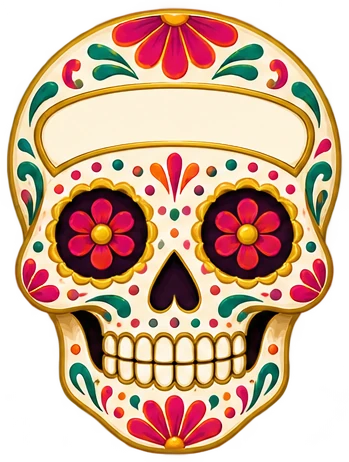
Whose name goes on your sugar skull?
Put their name on the sugar skull, then build their ofrenda with their dates and photo.